
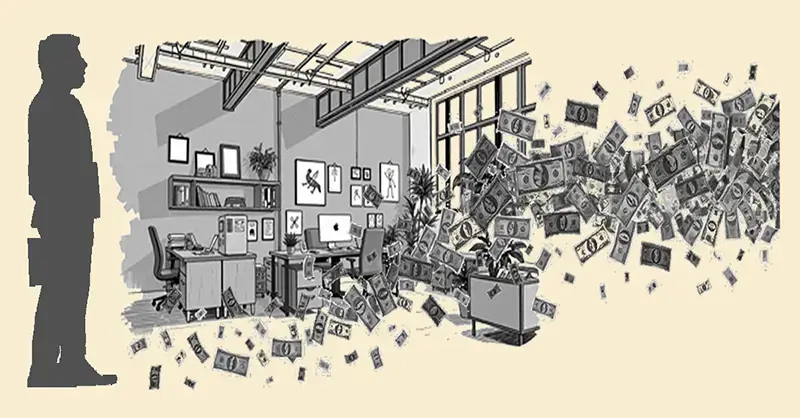
Most people talk about cash flow like it’s just numbers on a spreadsheet: money in, money out, end of story. That’s the surface level. The truth is, cash flow is the real pulse of your financial life. It’s not just about what’s in your bank account—it’s about timing, movement, and control. If you ignore it, it controls you. If you understand it, you can make it work for you.
Cash flow is energy. It flows, accelerates or slows down, and if you know how to channel it, it can do more for you than just fund your expenses. Most advice focuses on tracking cash flow. That’s necessary, but tracking alone doesn’t create power. You need to shape it.
Three Layers Nobody Talks About
Here’s where most people get stuck: they see cash flow as one-dimensional. In reality, there are three layers, and ignoring any of them is costly:
- Operational Layer – This is your everyday movement: salary, business income, bills, rent. It’s the foundation. Predictable, yes, but often full of hidden leaks—late payments, unnecessary subscriptions, slow turnover.
- Investment Layer – Money you put to work. Stocks, real estate, businesses. This is where cash generates more cash. But beware: paper gains don’t count. Cash flow happens when the money becomes liquid and reusable.
- Strategic Layer – Most people miss this. Strategic flow is deliberate manipulation: timing payments, using leverage, deferring expenses, optimizing taxes. It’s not about making more money—it’s about making the money you already have do more.
Positive Cash Flow Isn’t Enough
You hear it everywhere: “Make sure your cash flow is positive.” True, but incomplete. Many beginner entrepreneurs confuse cash flow with revenue.
Your revenue might look great, but if money is stuck in slow clients, inventory, or unpaid invoices, it doesn’t serve you.
Real cash flow mastery is about speed and leverage. How fast does money move? How much can it generate while circulating? Think of it like a river: a massive volume sitting stagnant behind a dam doesn’t help. The same applies to your money. Clear the bottlenecks, and suddenly the cash you already have becomes far more powerful.
The Hidden Psychological Factor
Сash flow isn’t just numbers. It’s psychology. Most people avoid it, mismanage it, or hoard it because they feel uncomfortable facing the truth.
To ride cash flow, you need to see it as energy, not obligation. Every dollar that enters your system can either be a tool or a burden. The difference is intention. When you learn to consciously direct money, you stop chasing it—and it starts working for you.
How to Actually Harness Cash Flow
Most people think “control” means having a budget or a spreadsheet. That’s only step one. True cash flow control is active, not passive. It’s about designing the paths your money takes so it multiplies instead of stagnates.
Start with these principles:
- Know the Speed of Every Dollar – Not all money moves the same. Some cash sits in accounts, some is tied in assets, some is locked in receivables. Map it. Ask: which dollars are working for me right now? Which are just sitting?
- Leverage Timing – Cash flow is heavily about timing. Delaying payments strategically, accelerating income streams, or using credit wisely can give you temporary liquidity that feels like free money. But this is a tool, not a trick. Timing well is a skill you develop.
- Cut the Noise, Keep the Current – Identify cash drains: subscriptions you don’t use, unprofitable products, clients who pay late. Cut them ruthlessly. Your cash flow will improve faster than by trying to earn more.
The Multiplication Effect
Here’s a mindset most miss: cash flow isn’t just about covering expenses—it’s about multiplying your money without taking bigger risks. Once you have control over operational and strategic flow, you can start reinvesting intelligently:
- Put idle cash into short-term instruments that generate liquid returns.
- Structure payments so that you have more cash available during growth opportunities.
- Use strategic layer to negotiate better terms with suppliers, partners, or lenders.
The idea is simple: every dollar should work like a soldier—never idle, always productive, and aligned with your ultimate goals.
Cash Flow as a System, Not a Result
Here’s the big secret: most people treat cash flow as a result—something that happens after revenue or profit. That’s backward. Cash flow is a system. You set the rules, the velocity, and the channels. Profit comes after, but liquidity and control come first.
Think in layers:
- Foundation – Operational flow keeps you alive.
- Amplification – Investment flow grows your resources.
- Control – Strategic layer turns money into leverage, opportunity, and freedom.
Once you see it this way, cash flow stops being a number you track—it becomes a tool you wield.
How to Ride Cash Flow Like a Pro
Here’s the reality nobody tells you: making money isn’t the problem. The problem is making your money work for you. Cash flow isn’t passive income—it’s energy. You don’t just track it. You don’t just collect it. You direct it. You leverage it. You ride it.
Start with three steps: see it, move it, multiply it.
- See It – You can’t control what you don’t see. Track every dollar, yes—but don’t stop at totals. Watch velocity. Which dollars move fast? Which stall? Which get stuck in clients, accounts, or inventory? The insight is in the movement, not in the balance.
- Move It – Once you understand the flow, channel cash deliberately. Some money fuels operations. Some fuels investments. Some sits in tactical reserves. Treat it like traffic: the fastest, clearest lanes carry the highest value. Anything stuck slows everything else down.
- Multiply It – Leverage isn’t reckless borrowing. It’s timing, positioning, control. Stretch cash strategically: extend payments, defer non-critical expenses, prepay to earn discounts. Each move increases your real liquidity without adding risk.
Tactics That Actually Work
Here’s what separates professionals from amateurs:
- Dynamic Reserves – Keep flexible cash for opportunities, not just emergencies. When opportunity knocks, you strike immediately, without scrambling.
- Cash Flow Laddering – Stagger receivables and payables so money never sits idle. Even uneven income becomes reliable liquidity.
- Revenue Recycling – Reinvest operational cash into high-velocity opportunities first. Every dollar you earn starts generating more dollars immediately.
- Invisible Leverage – Negotiate timing with suppliers, partners, or lenders. Sometimes the smartest move isn’t earning more—it’s moving what you already have strategically.
Watch Out for Traps
Even seasoned players make these mistakes:
- False Security – Positive cash flow feels safe, but slow-moving cash is dangerous. Paper profit doesn’t equal usable cash.
- Overextension – Spending or investing aggressively without timing control destroys flow.
- Ignoring Strategic Layer – Operational cash is basic. Real power comes from strategic layer: making money work harder, faster, smarter.
Shift Your Mindset
Cash flow mastery isn’t just tactics—it’s a mental game. Money is like water: it can nourish, energize, or drown. Your job is to channel it, control the speed, and make it productive.
Once you see cash flow as a system, not a result, you stop chasing money. You make it work for you. Cash flow becomes a tool, a rhythm, a force that powers freedom.
Key Principles to Own Your Cash Flow
Now that you understand the layers, the timing, and the leverage, it’s time to lock in the principles that turn cash flow from a passive report into a weapon:
- Flow First, Profit Later – Cash flow is the system; profit is the outcome. If you focus on cash movement and control, profit will follow naturally. Most people reverse this order and end up trapped.
- Velocity Over Volume – Don’t chase higher income blindly. Focus on how fast and efficiently money circulates. A smaller sum that moves freely and multiplies is worth far more than a large sum tied up and stagnant.
- Strategic Timing Wins – The same dollar can create different outcomes depending on when and how you deploy it. Master timing—payments, investments, and reserves.
- Cut Leaks Ruthlessly – Identify slow-paying clients, unnecessary expenses, and idle assets. Remove them immediately. Money blocked or wasted is money that can’t work for you.
- Reinvest Intelligently – Don’t let operational cash sit idle. Recycle it into high-velocity, high-impact opportunities first. Make every dollar pull its own weight.
- Mindset is the Multiplier – Cash flow mastery isn’t just about spreadsheets. It’s about thinking in systems, patterns, and energy. Every dollar has potential; your job is to see it, direct it, and harness it.
Closing Thoughts
Here’s the bottom line: most people spend their financial lives chasing income or hoarding money. That’s a hamster wheel. Cash flow mastery changes the game. You don’t chase. You don’t hoard. You channel, leverage, and multiply. You ride the flow instead of being swept away by it.
Cash flow is alive. It moves. It responds to direction. It rewards skill and punishes neglect. Master it, and you control your financial reality. Ignore it, and even high income can leave you trapped.
So start now: map your flows, clear the bottlenecks, leverage strategically, and let your money work harder than you ever could alone. This isn’t theory—it’s the practical path to freedom, growth, and financial control.
Cash flow is alive. It moves. It responds to direction. It rewards skill and punishes neglect. Master it, and you control your financial reality. Ignore it, and even high income can leave you trapped.
So start now: map your flows, clear the bottlenecks, leverage strategically, and let your money work harder than you ever could alone. This isn’t theory—it’s the practical path to freedom, growth, and financial control.